Pioneering Research for Tomorrow's Industries
At the International Institute for Future Industries, we focus on the business and economic implications of transformative sectors such as artificial intelligence, quantum computing, robotics, space, biological manufacturing, energy, and materials. These technologies are undergoing rapid development, and are combining to disrupt industries. Join us in shaping the industries of tomorrow.
100+
Books, Technical Papers and Articles Published
27
International Patents
450+
Keynotes, Academic Lectures, and Panels
Artificial Intelligence
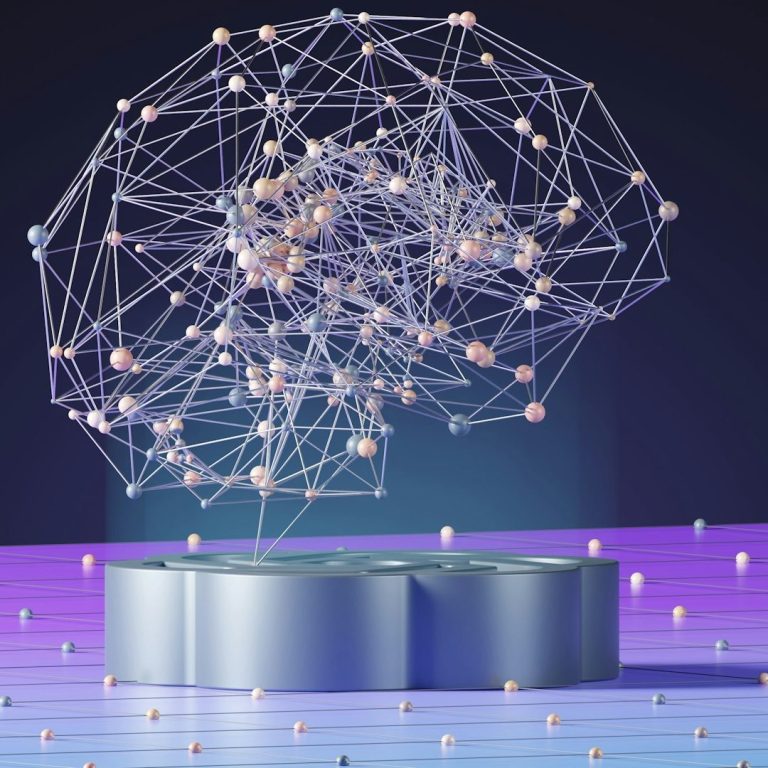
Generative AI gets all the headlines, but other forms of AI such as vision systems and real-time control for autonomous vehicles are equally--if not more--important. We are currently researching business strategies that leverage AI, global economic implications of workforce transformation, and AI issues such as hallucinations, intellectual property rights, and subversive behavior.
Robotics
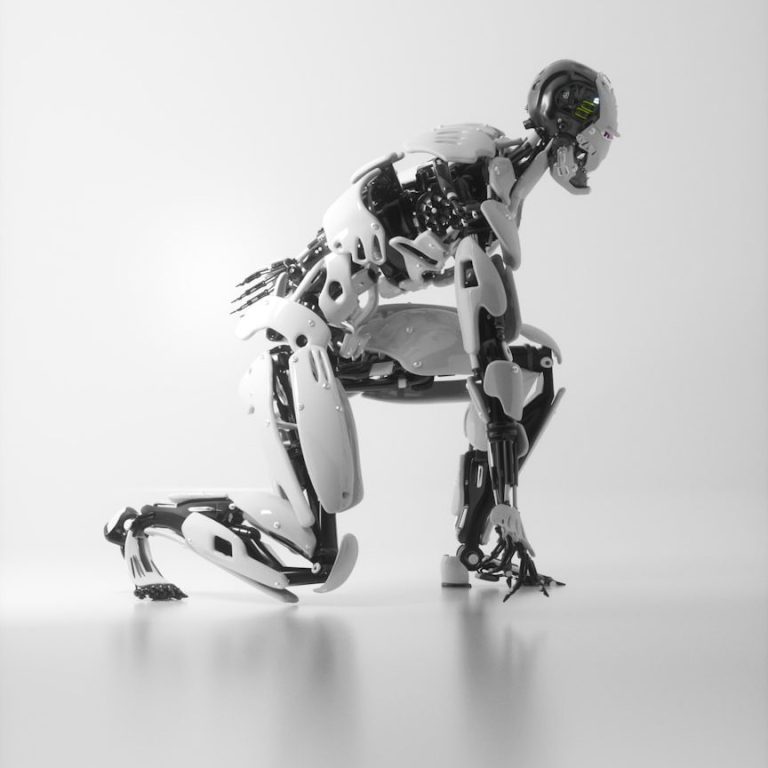
Humanoid and industrial robots, autonomous vehicles, drones, and other electromechanical or biomechanical devices are becoming increasingly sophisticated and affordable every day. They are already deployed in numerous settings to reduce cost and increase quality.
Human/Computer I/Fs
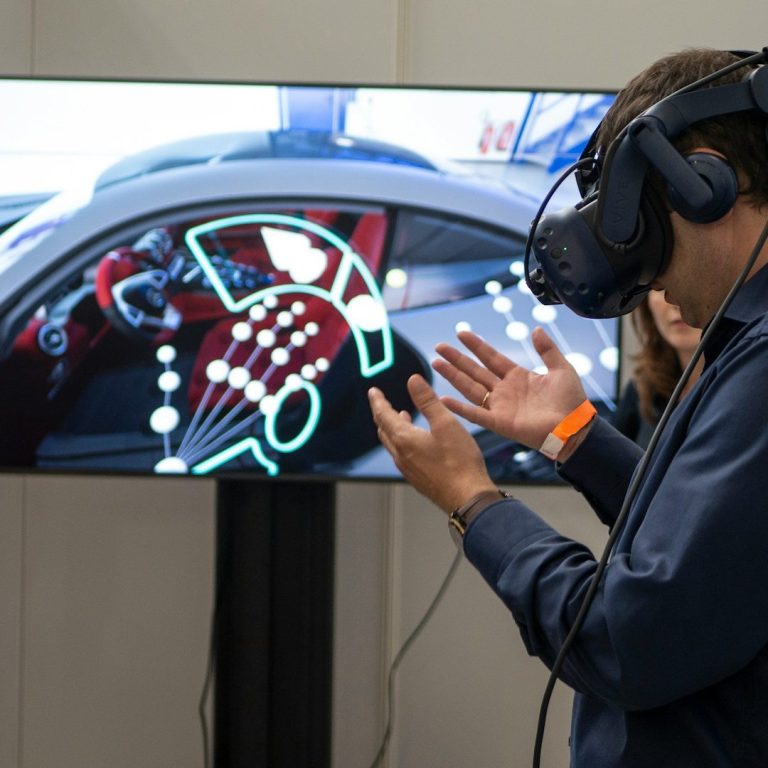
New ways for computers and people to collaborate via new interfaces are becoming more widespread. This includes virtual reality, augmented reality, mixed reality, extended reality, brain-computer interfaces, and spatial computing.
Quantum
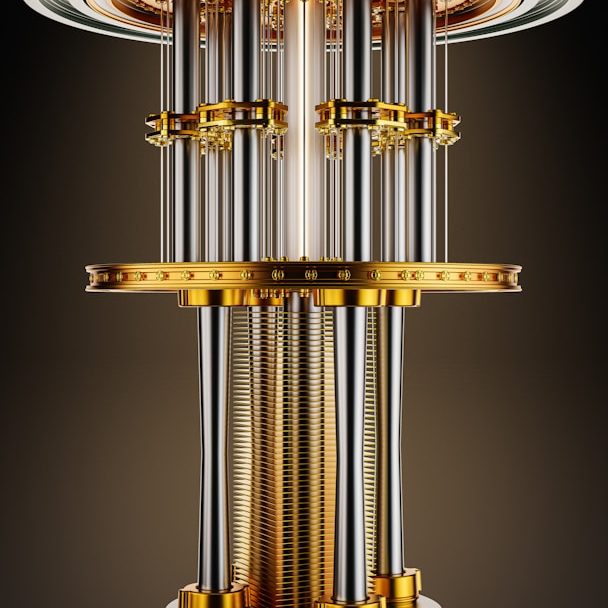
Quantum computing, algorithms, communications, and cryptography have graduated beyond the realm of research projects and on the cusp of being used in real-world applications. For the first time, quantum supremacy over traditional computing on a meaningful problem has been demonstrated. Separately, new techniques such as stochastic computing are being developed.
Space
Space has transitioned from being an occasional expensive nation-state project to a commercial workhorse. New means of communications, such as satellite constellations, launch and recovery methodologies, and propulsion techniques are powering breakthroughs and dramatically reducing costs in this domain.

Earth Sciences
Meanwhile, here on earth, new technologies in agtech, climate engineering, carbon sequestration and desalination, vertical farming, and terraforming are starting to help better deal with our changing world.

Materials
New alloys, nanomaterials, metamaterials, and programmable matter are being combined with new methods such as additive manufacturing (3D printing) and AI-powered design and engineering to optimize strength-to-weight ratios and other performance and flexibility metrics.

Biochemistry
New approaches to biochemical sciences are helping to analyze life's molecules and pathways. These insights are being used in synthetic biology to design and build new biological functions using DNA parts and systems. Key trends include CRISPR, AI-guided design, gene and cell therapies, and biomanufacturing.

Energy
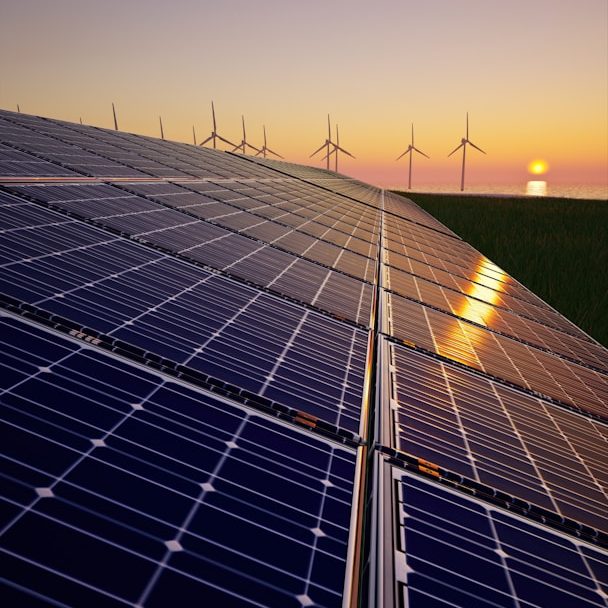
New designs are being implemented using new technologies, ranging from long-lasting, fast-charging lightweight batteries, to renewables, to facilties able to power the latest generation of hyperscaled data centers, to smart grids to coordinate all of these layers. Another enabler: new transmission and distribution methods, some using superconducting materials.